Black History in Jersey City: Timeline, Leaders & Landmarks
Black history in Jersey City spans centuries of resilience, leadership, culture, and community contribution. From early Black residents in the 17th century through civil rights activism, entrepreneurship, and artistic expression, this guide highlights the people, places, and enduring legacy of Black Jersey City. Read on for a timeline, key figures, cultural contributions, and how to explore this history today.
Read: Jersey City’s Activist Roots: A History of Resistance
Black history in Jersey City is inseparable from the city’s development, identity, and cultural life. From the earliest Black residents in the colonial era to civil rights advocacy, entrepreneurship, and cultural leadership, Black communities have shaped Jersey City for centuries—often in the face of exclusion, displacement, and erasure.
This article traces the history of Black Jersey City through time, highlighting resilience, leadership, and legacy, while grounding that history in the neighborhoods, institutions, and places where it unfolded.
Early Black Jersey City (17th-19th Century): From Enslavement to Community
Black residents have lived in what is now Jersey City since the 17th century. During the colonial period, enslaved Africans and free Black individuals worked as laborers, craftspeople, and domestic workers, contributing directly to the region’s early economy.
By the late 18th and early 19th centuries, free Black communities began to form, laying the groundwork for religious institutions, mutual aid networks, and family life. These early communities created the foundation for future generations—despite restrictive laws, racial violence, and systemic discrimination.
Jersey City and the Underground Railroad
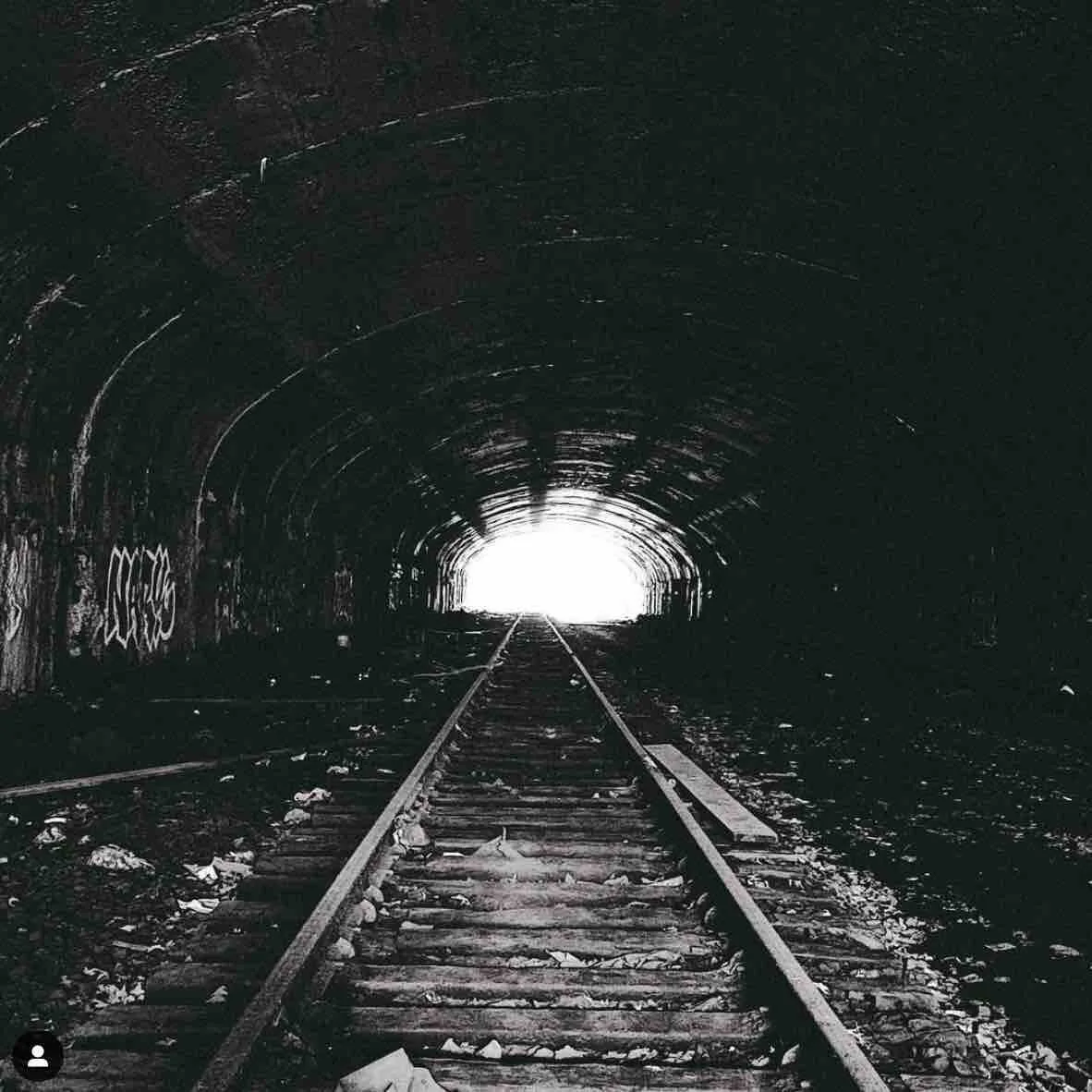
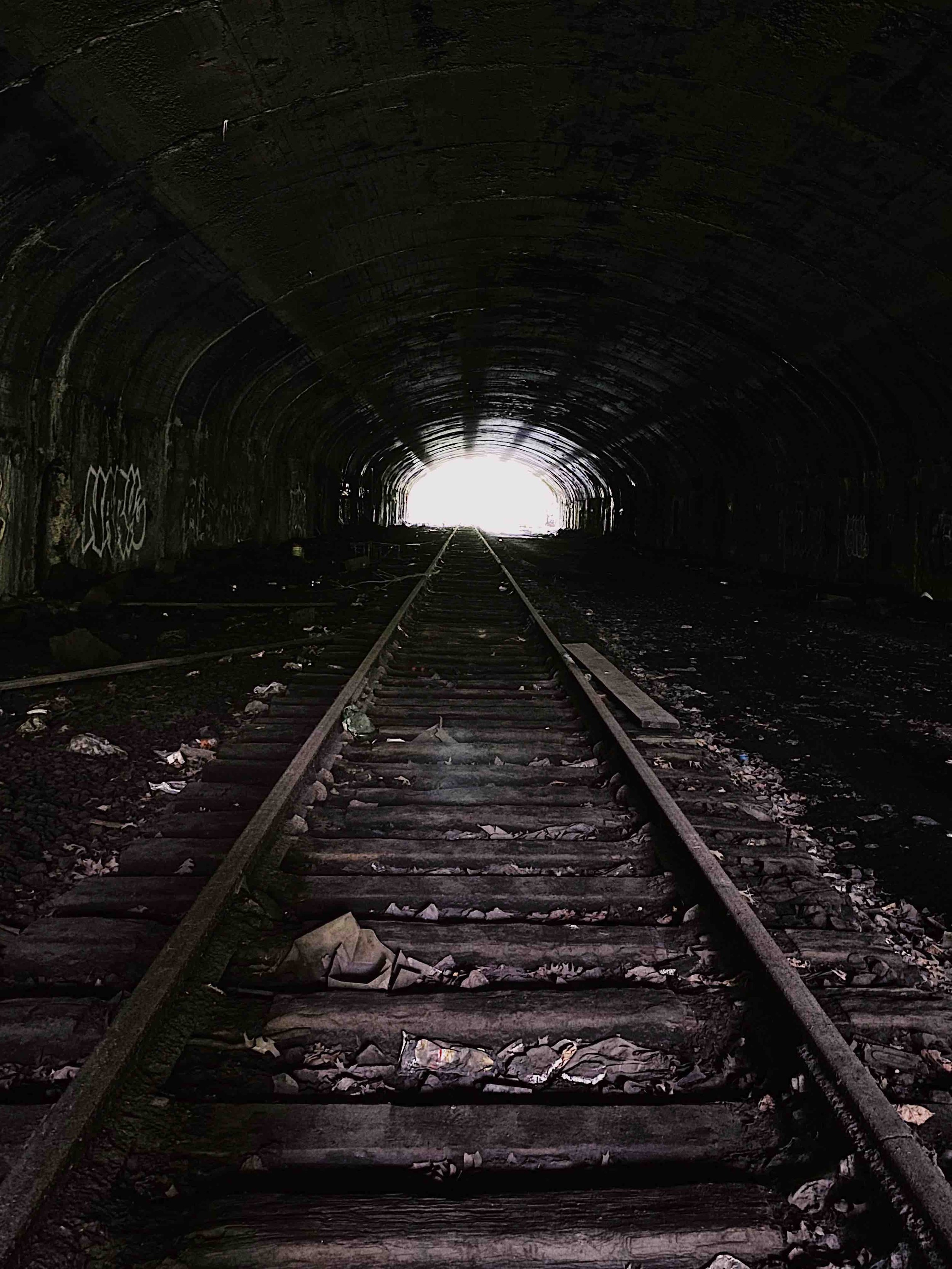
ersey City played a critical role in the Underground Railroad due to its geographic position along the Hudson River and its proximity to New York. Freedom seekers passed through the area as they traveled north, aided by networks of churches, private homes, and individuals willing to risk severe punishment to help others escape enslavement.
Neighborhoods such as Bergen Hill and Jackson Hill were especially significant. Buildings that still stand today were once part of these covert networks, quietly supporting one of the most important resistance movements in American history.
Jersey City’s role in the Underground Railroad reflects a broader legacy of courage and community action that would continue through later generations.
Black Neighborhoods and Community Life
Black history in Jersey City is rooted not only in events, but in neighborhoods that fostered connection, culture, and resilience.
Areas such as Jackson Hill / Jackson Square became centers of Black life, home to churches, businesses, social clubs, and cultural institutions. These neighborhoods offered stability and opportunity in a city where Black residents were often excluded from housing, employment, and public life elsewhere.
Churches served as anchors—providing spiritual leadership, education, and organizing spaces—while Black-owned businesses supported economic independence and community pride.
Civil Rights Leadership & Activism in the 20th Century
Jersey City’s civil rights history includes local leaders, activists, and community organizations working for equity, including clergy like Robert Wilkinson Castle Jr., whose organizing and advocacy shaped local progress.
During the 20th century, the Black community in Jersey City played a major role in the Civil Rights Movement. Leaders and activists, such as the Reverend Dr. Martin Luther King Jr. and Bayard Rustin, visited Jersey City and spoke out against racial discrimination and advocated for equal rights. Their efforts helped to bring attention to the injustices faced by Black residents and led to significant changes in laws and policies.
Jersey City’s Black residents played an active role in the struggle for civil rights throughout the 20th century. Local leaders, clergy, attorneys, and organizers worked to dismantle discriminatory housing practices, expand educational access, and demand equal treatment under the law.
Among the most influential figures was Robert Wilkinson Castle Jr., a civil rights attorney and Episcopal priest whose work addressed housing discrimination and systemic inequality. His advocacy helped shape local policy and connected Jersey City to broader national civil rights efforts.
While national figures such as Dr. Martin Luther King Jr. spoke in Jersey City during key moments of the civil rights era, it was local leadership and sustained community organizing that drove lasting change on the ground.
Read about Father Castle, a key fixture of the civil rights movement in Jersey City.
Cultural, Economic, and Artistic Contributions
Black owned Businesses and Cultural Spaces
Black residents have long contributed to Jersey City’s cultural and economic life as artists, musicians, entrepreneurs, and educators.
From jazz musicians and performers to small business owners and cultural organizers, Black Jersey City fostered creative expression and economic resilience—even when mainstream institutions offered limited support.
These contributions shaped the city’s identity, influencing everything from music and nightlife to neighborhood commerce and public culture.
Legacy & Preservation Today
Today, the Black community in Jersey City continues to be a vital part of the city's fabric. Their legacy of resilience, determination, and contributions to the arts and commerce can be seen throughout the city. As we celebrate Black History Month, let’s remember and honor the rich history of the Black community in Jersey City and to continue to work towards a more inclusive and equitable future for all residents.
Jersey City's Black history is a story of resilience and legacy. From early leaders and activists to entrepreneurs and artists, the Black community in Jersey City has made significant contributions to the city's history and continues to be a vital part of its future. Let us celebrate and honor their legacy and work towards creating a brighter future for all.
Afro American Historical and Cultural Society Museum
How to Explore Today: Historic Black Neighborhoods & Landmarks
• Jackson Hill / Jackson Square — center of Black Jersey City life since the 19th century
• Afro-American Historical & Cultural Society Museum — collection of artifacts and civil rights records
• Martin Luther King Jr. Memorial & Drive — local memorial and street honoring civil rights legacy
• Historic Black Churches (e.g., St. John’s) with Underground Railroad ties.
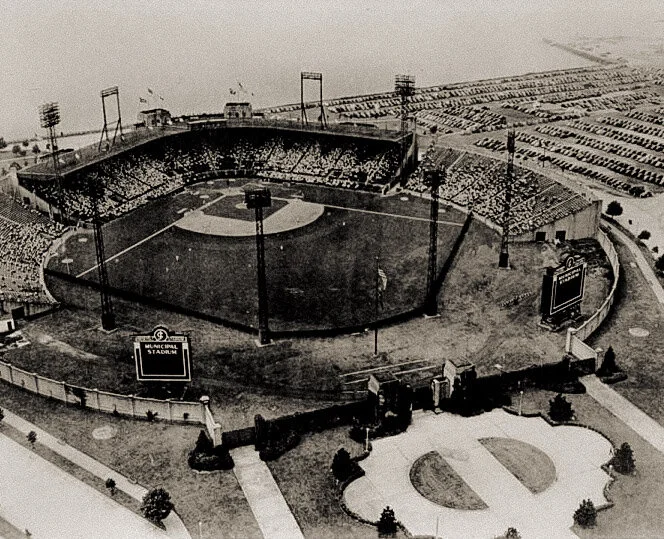
•Former Site of Roosevelt Stadium- Where Jackie Robinson played his first professional game
You can explore detailed accounts of Jersey City’s Underground Railroad routes and safe houses in our dedicated Underground Railroad feature.
Why Black History in Jersey City Matters
Understanding Black history in Jersey City is essential to understanding the city itself.
These stories reveal how communities endured exclusion, built institutions, shaped culture, and demanded justice. When Black history is overlooked, the city’s narrative becomes incomplete.
Preserving and sharing this history ensures that Jersey City’s past—and its future—are told truthfully.
Read More about Jersey City’s Black history